

Advice Hub
All our collective industry experts have got together to provide you with all you need to know about drying out and keeping dry those things precious to you. Read our articles or delve into our solutions centre to soak up the knowledge.
Expert Articles
Advice & Article
Flood Drying – Dehumidifier or Heater?
This article is part of our Smarter Way to Dry series, comparing heating and dehumidification across different drying challenges. Other topics in the series include Screeding, Condensation & Mould, and Drying Carpets.
Why Speed Matters in Flood Recovery
After a flood or leak, every hour counts. Standing water and soaked materials quickly turn into structural damage, odours, and mould growth. The goal isn’t just to make the area feel dry — it’s to remove the moisture trapped deep within walls, floors, and furnishings.
That’s where Flood Recovery Equipment comes in. Effective drying combines temperature control, air movement, and moisture extraction to return the property to a stable condition safely and efficiently.
Heat Alone Won’t Solve the Problem
It’s tempting to turn on heaters to “speed up” the drying process — but heat alone rarely fixes the issue.
Heaters work by raising the temperature, encouraging moisture to evaporate from wet surfaces. However, that vapour simply enters the air. Without a way to remove it, humidity rises and moisture can migrate into unaffected areas, causing secondary damage.
In domestic spaces, this can lead to lingering dampness or condensation on cold walls. In larger commercial settings, excess humidity can damage plaster, plasterboard, electrical systems, and stored goods.
Industrial heaters are useful when combined with dehumidifiers, but they should never be the only method of drying.
Why Dehumidifiers Are Essential
A dehumidifier removes water vapour from the air, lowering relative humidity (RH) and allowing more moisture to evaporate from wet materials. This continuous cycle — evaporation and extraction — is the key to successful flood recovery.
Professional Industrial Dehumidifiers are designed for exactly this purpose. They pull moisture out of the air quickly, condense it into liquid, and prevent re-saturation. The result is controlled, efficient drying that protects both the structure and contents of the building.
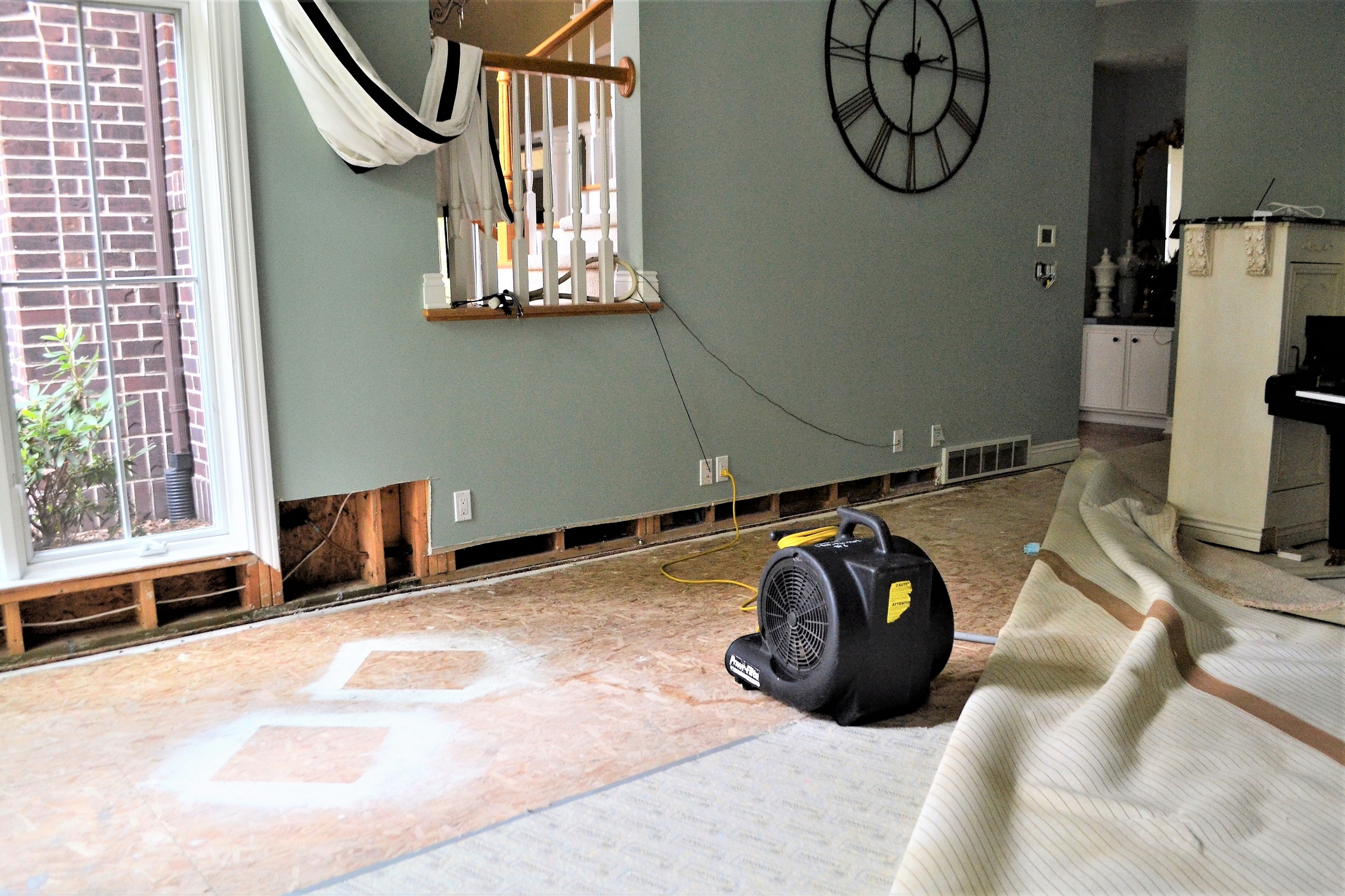
For large or complex jobs, using multiple dehumidifiers alongside air movers and heaters ensures even, thorough drying across all areas.
Domestic vs Commercial Drying
In domestic environments such as homes and basements, refrigerant dehumidifiers usually perform best. They work efficiently in warmer indoor conditions and are quiet enough for occupied spaces. Combining them with a small heater can help maintain a steady air temperature between 18–25 °C for faster evaporation.
For commercial or industrial sites, larger Building Dryers or Desiccant Dehumidifiers are more suitable. These systems cope well in unheated or semi-heated spaces where temperatures fall below 10 °C, such as warehouses, workshops, or partially restored buildings.
Both approaches benefit from controlled airflow to move dry air through wet materials — which is where Air Movers & Fans come in.
Restoring Large Areas After Flooding
Large-scale flood recovery demands a coordinated setup. The most effective configuration includes:
- Dehumidifiers – to extract moisture from the air.
- Air movers – to circulate dry air and prevent stagnant pockets.
- Gentle heat – to raise surface temperatures and promote evaporation.
If the building is unheated or temperatures are low, use Desiccant Dehumidifiers — they maintain performance even in cool conditions. For wide-area drying, position units evenly throughout the space and check readings daily with a hygrometer or moisture meter.
Practical Flood Drying Setup
Whether you’re restoring a family home or an industrial unit, follow these core principles:
- Isolate the area – Close windows and doors to keep conditions consistent.
- Start with extraction – Remove standing water before switching on drying equipment.
- Use multiple devices – Combine dehumidifiers with heaters and air movers for balance.
- Monitor progress – Record RH and temperature at least once a day.
- Empty tanks or use continuous drainage to keep systems running.
For full system packages, browse Flood Recovery Equipment for home use or Construction Drying Solutions for larger sites.
Health & Safety Considerations
Flood-damaged areas can contain contaminants, so personal protective equipment is essential. Always check electrical safety before using plug-in equipment, and avoid placing heaters too close to damp surfaces or combustible materials.
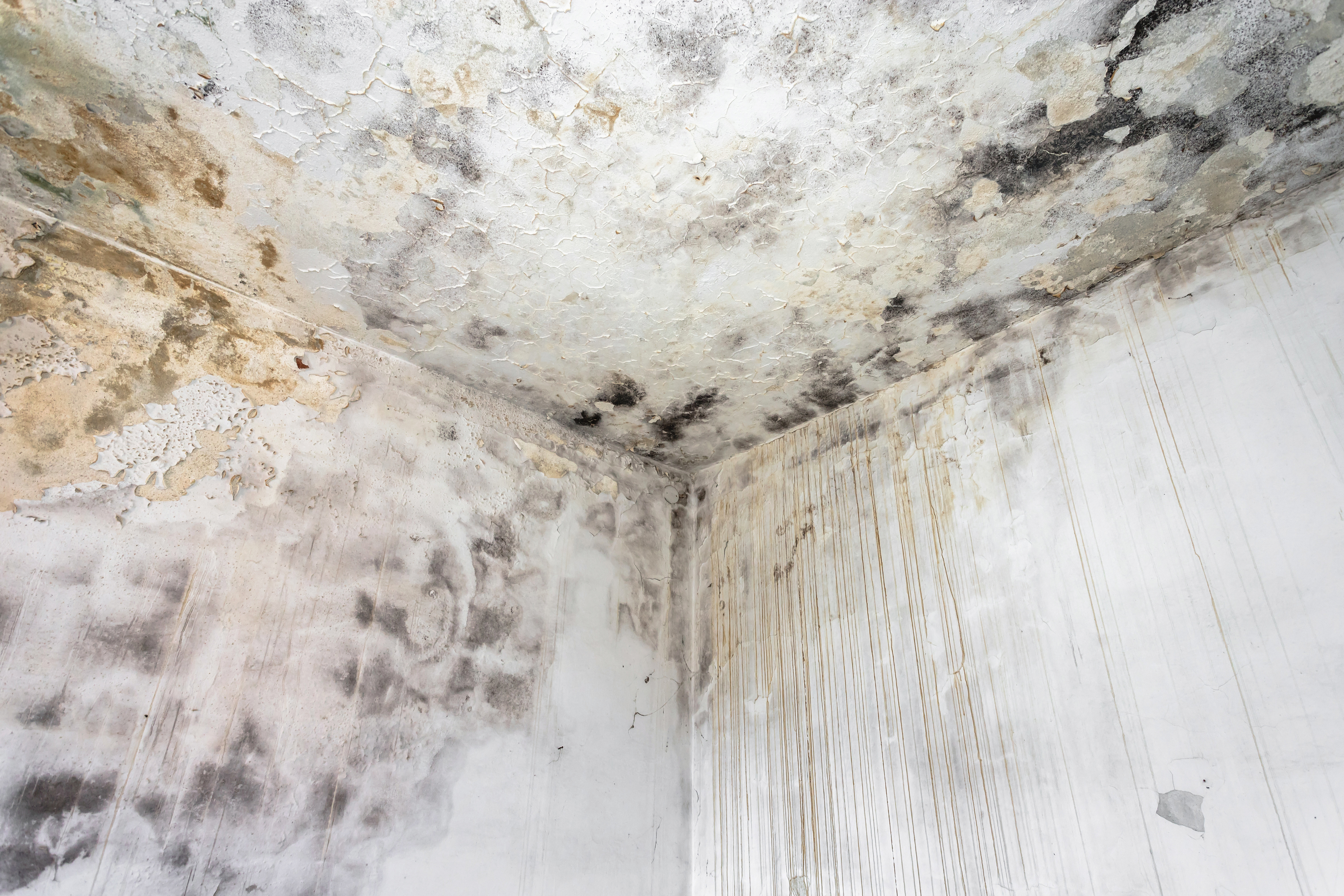
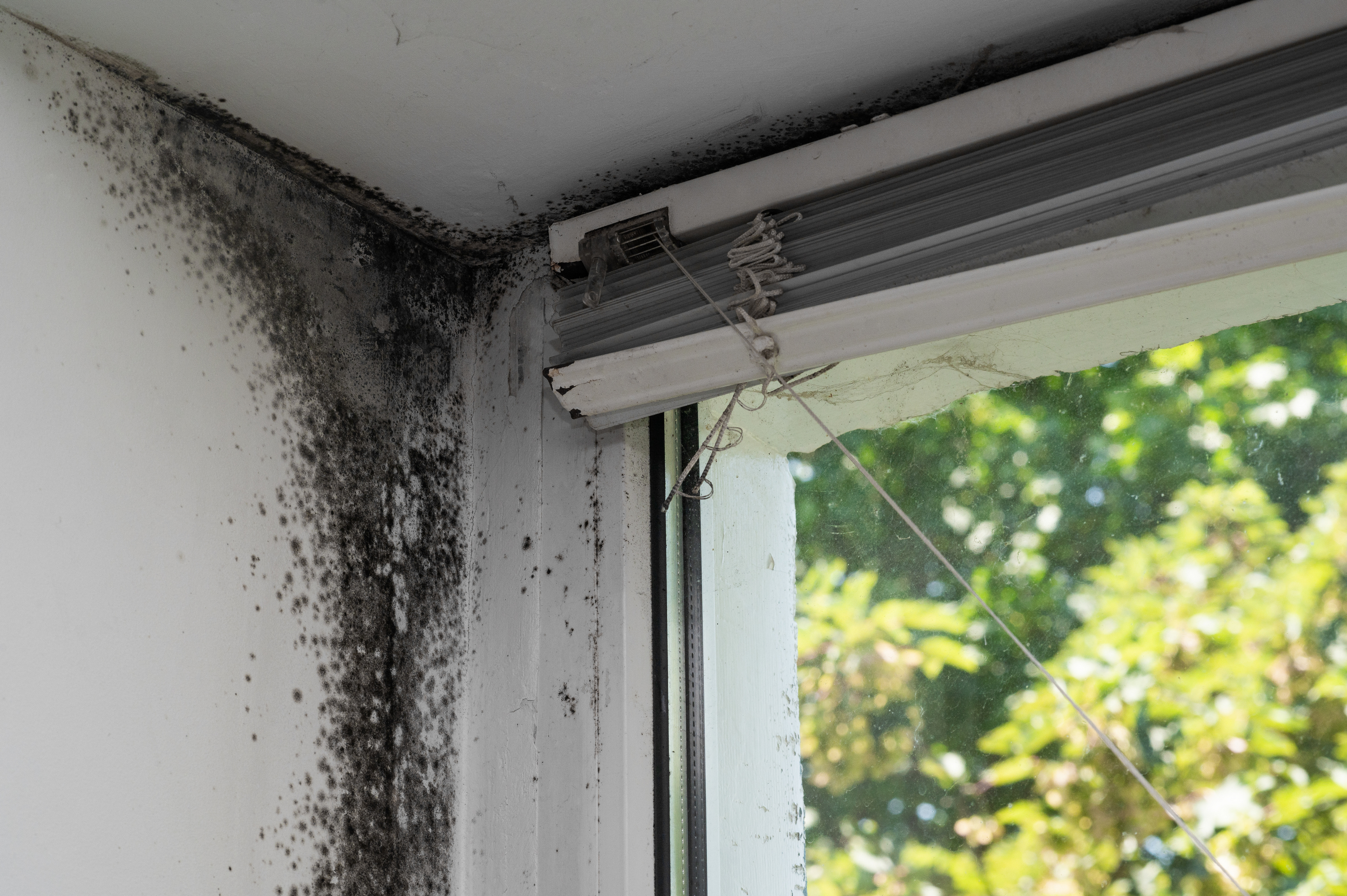
If mould growth is visible, drying should be paired with proper cleaning and ventilation rather than heat alone.
Key Takeaway
Heaters accelerate evaporation, but dehumidifiers actually remove the moisture. Used together — with controlled airflow and temperature — they deliver fast, safe, and complete flood recovery for both domestic and commercial settings.
For more detailed advice and recommended setups, visit our Water Damage Restoration section or explore our full range of Construction Drying Solutions.