

Advice Hub
All our collective industry experts have got together to provide you with all you need to know about drying out and keeping dry those things precious to you. Read our articles or delve into our solutions centre to soak up the knowledge.
Expert Articles
Advice & Article
Drying Carpets Safely – Heat or Dehumidify?
This article is part of our Smarter Way to Dry series, comparing heating and dehumidification across different drying challenges. Other topics in the series include Screeding, Flood Drying, and Condensation & Mould.
Why Carpets Need Controlled Drying
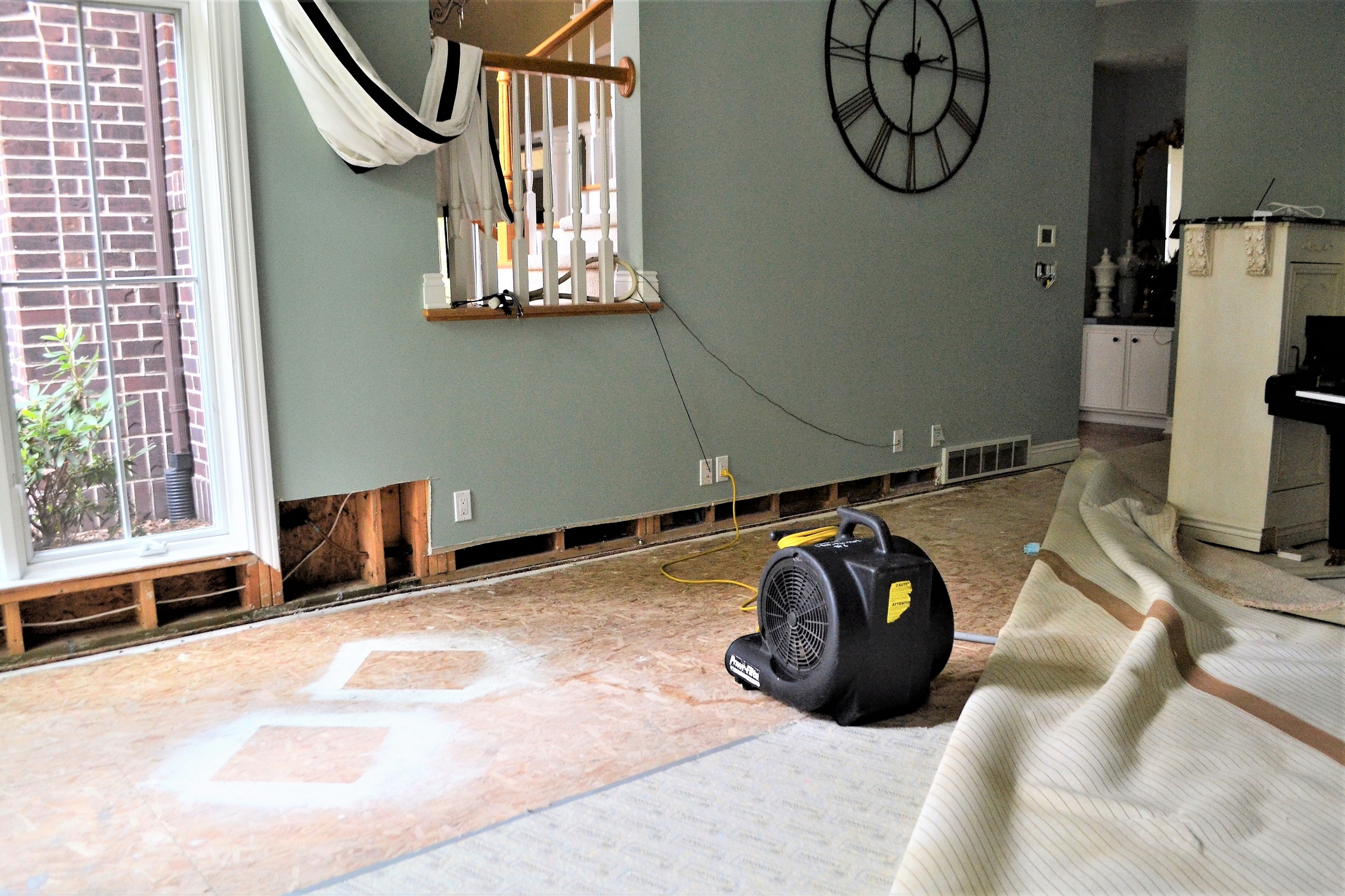
After leaks, flooding, or cleaning, carpets can hold a surprising amount of moisture beneath the surface. If that moisture isn’t removed quickly and evenly, it can cause odours, mould, or shrinkage — especially when trapped under heavy furnishings or padding.
Fast, controlled drying helps protect both the fabric and the flooring underneath. For deep saturation caused by leaks or flood damage, specialist Flood Recovery Equipment ensures a safe and thorough process without damaging fibres or adhesives.
Heat vs Dehumidification
It’s tempting to turn up the heat after a spill or soak, but heat alone can do more harm than good. Rapid temperature increases cause surface evaporation before deeper layers have a chance to release moisture. This can lead to warping, discolouration, or unpleasant smells as damp air becomes trapped.
Dehumidifiers, on the other hand, actively remove water from the air, allowing moisture to evaporate naturally from the carpet and underlay. Pairing Water Damage equipment with low, consistent heat offers a far more effective and energy-efficient way to restore carpets after water damage or cleaning.
Best Practice: Gentle Heat + Airflow
The safest and most efficient drying setup uses a balance of heat, air movement, and moisture extraction.
Use Floor Dryers and Fans to circulate air across the carpet surface and lift damp air away from the fibres. Combine this with a dehumidifier to remove moisture from the air, and maintain a room temperature between 18–25 °C to support consistent evaporation.
Avoid positioning heaters too close to the carpet — direct heat can cause uneven drying, shrinkage, or hardening of the fibres.
Choosing the Right Dehumidifier
For small, domestic spills or light cleaning, Domestic Dehumidifiers are ideal. They are compact, quiet, and easy to set up in living areas, providing gentle, continuous moisture removal that won’t damage delicate carpets or rugs.
For large-scale recovery work or professional cleaning, Industrial Dehumidifiers deliver higher extraction rates, designed for sustained use in commercial or high-traffic areas. Pairing these with floor dryers ensures faster turnaround without the risk of overheating or over-drying.
Commercial & Restoration Work
In commercial environments — such as hotels, offices, or rental properties — efficient carpet drying is essential for minimising disruption and preventing odours or mildew.
Industrial Dehumidifiers and Building Dryers provide the capacity and airflow needed for large areas, while Floor Dryers and Fans help lift trapped moisture from dense carpets and underlays. This same setup is used by professional restoration companies for rapid, controlled drying after flooding or deep cleaning.
Finishing Touches & Secondary Moisture
Even after the surface feels dry, hidden moisture can linger in underlays, walls, or skirting boards. Keep dehumidifiers running for at least 24–48 hours after the carpet appears dry to ensure all residual moisture is extracted.
If you notice humidity rising or condensation forming elsewhere, see our Condensation Control Solutions for practical advice on maintaining balanced indoor air and preventing recurring damp.
Key Takeaway
Using heat alone to dry carpets can lead to shrinkage, odours, and hidden dampness. The safest, most effective approach combines moderate heat, steady airflow, and controlled dehumidification to draw moisture out gradually and evenly.
For more guidance on complete restoration after leaks or floods, visit our Water Damage Drying section or explore our Flood Recovery Equipment for professional drying setups.