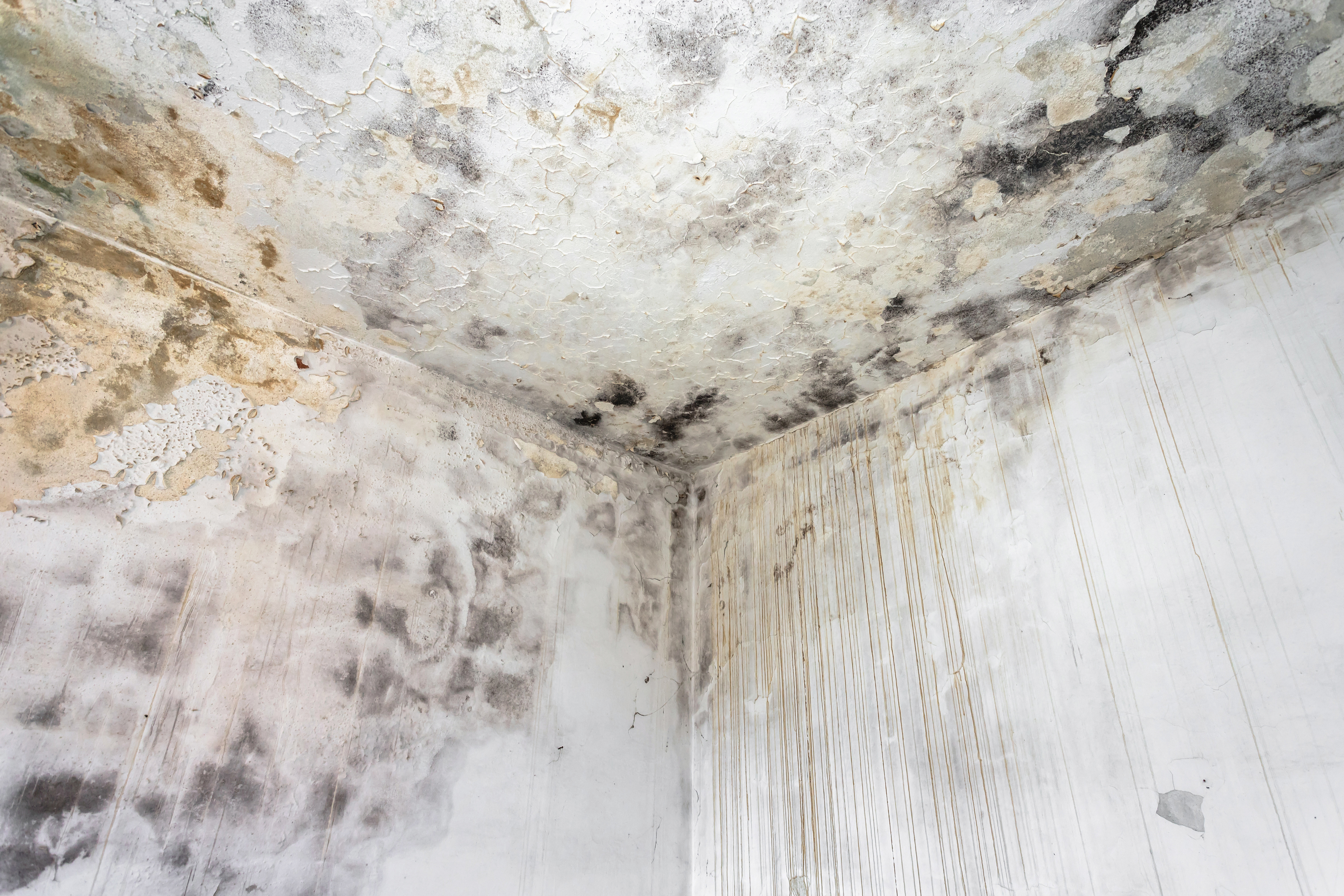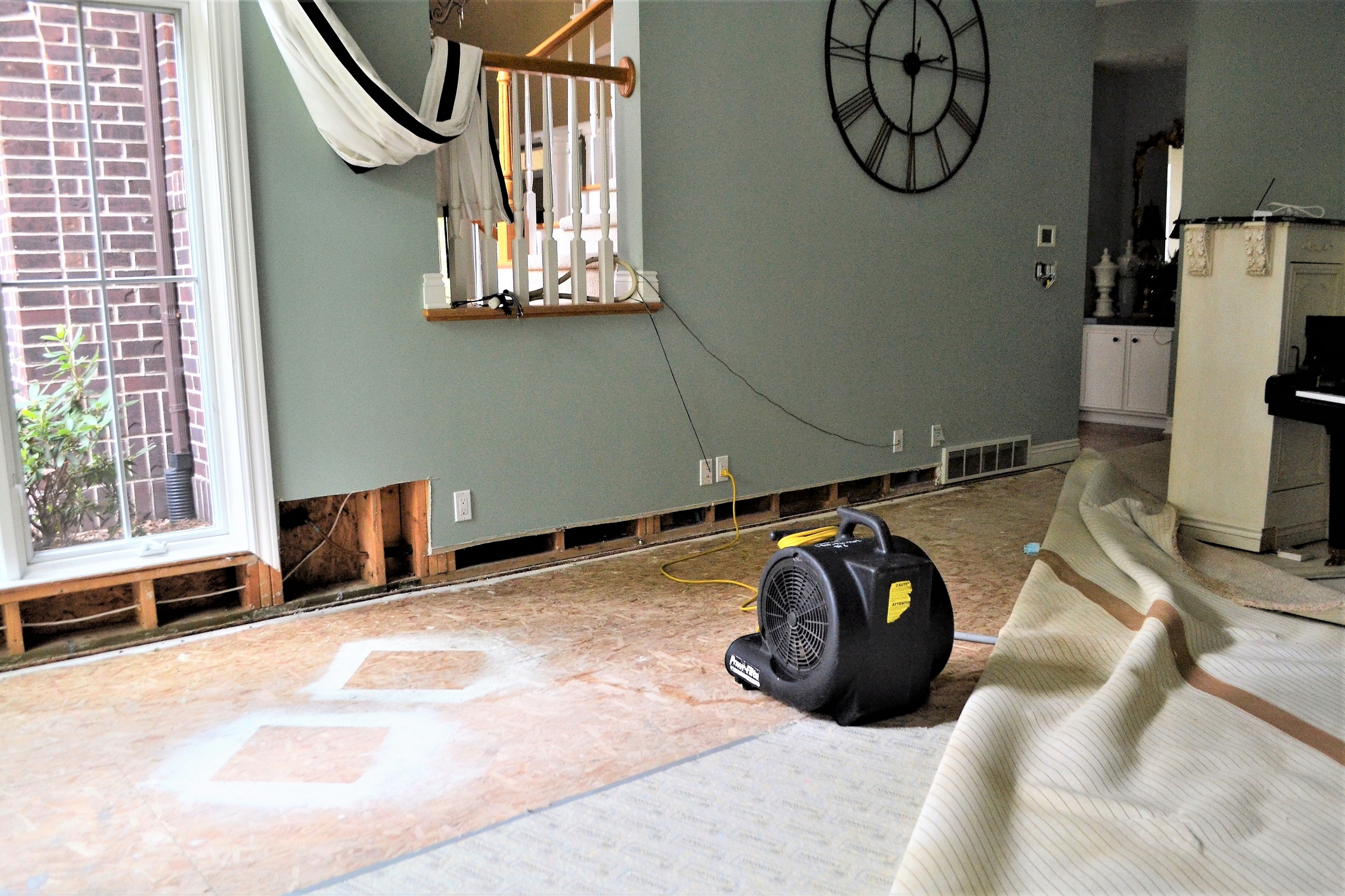


Advice Hub
All our collective industry experts have got together to provide you with all you need to know about drying out and keeping dry those things precious to you. Read our articles or delve into our solutions centre to soak up the knowledge.
Expert Articles
Advice & Article
Condensation & Mould – Heat vs Dehumidifiers
This article is part of our Smarter Way to Dry series, comparing heating and dehumidification across different drying challenges. Other topics in the series include Screeding, Flood Drying, and Drying Carpets.
What Causes Condensation & Mould
Condensation is one of the most common causes of damp and mould growth in homes, offices, and storage spaces. It occurs when warm, humid air meets a cold surface — such as a window, wall, or ceiling — and moisture in the air turns back into water droplets.
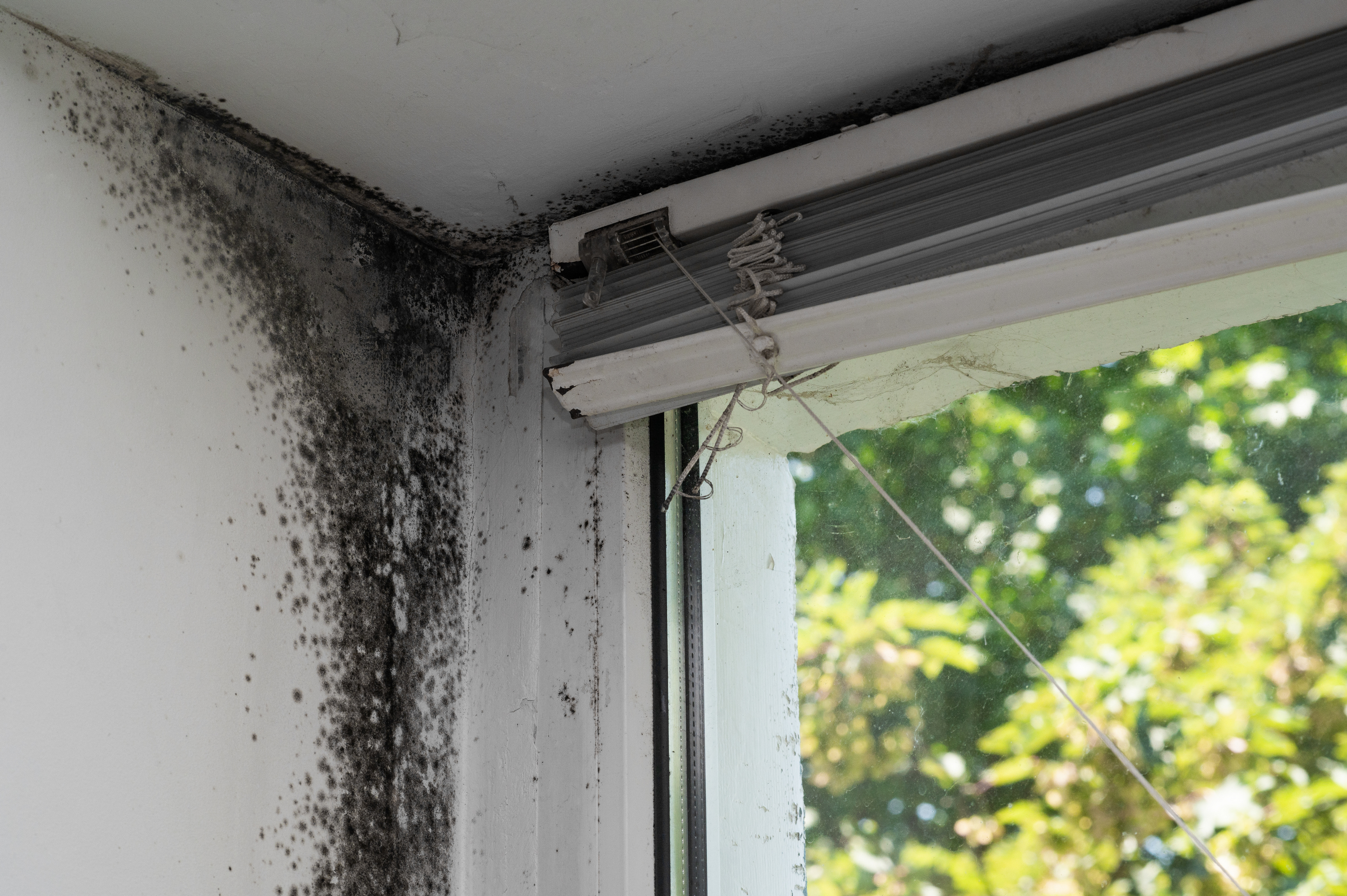
In mild weather it’s often just an inconvenience, but during colder months, persistent condensation can soak walls, window frames, and insulation. The trapped moisture creates perfect conditions for mould to form and spread.
That’s why many people turn to Condensation Control Equipment to tackle the root cause — the moisture in the air — rather than just wiping away the symptoms.
Why Heating Alone Isn’t Enough
Raising the temperature in a room can help reduce condensation temporarily, but heat alone won’t remove moisture.
When you use Electric Heaters, the air becomes warmer and can hold more water vapour. However, if the space isn’t ventilated or the humidity remains high, the moisture simply condenses again when the air cools down — often overnight or on colder surfaces.
This cycle of “evaporate by day, condense by night” wastes energy and rarely improves comfort. It may even make things worse by increasing humidity levels in the rest of the building.
How Dehumidifiers Solve the Problem
A dehumidifier directly addresses the source of condensation by removing moisture from the air. Lower humidity means fewer opportunities for condensation to form — and a drier, healthier environment overall.
For everyday home use, Domestic Dehumidifiers are a simple, cost-effective solution. They quietly extract moisture, prevent mould spores from developing, and maintain a stable humidity level around 45-55%.
In larger or shared spaces such as offices and workshops, Industrial Dehumidifiers offer higher extraction rates and continuous operation for more demanding conditions.
Preventing Mould in Problem Areas
Garages, lofts, laundry rooms, and small offices often suffer from persistent condensation due to poor ventilation and temperature swings. Installing Wall Mounted Dehumidifiers provides consistent, automatic humidity control in these enclosed spaces, protecting walls, stored items, and equipment from moisture damage.
For more targeted applications, Garage Dehumidifiers help prevent rust and damp in storage areas, while Laundry Drying Dehumidifiers speed up clothes drying indoors without releasing excess moisture back into the air. Combining dehumidification with gentle heat and steady airflow ensures long-term protection against mould growth and musty odours.
Office & Commercial Applications
In commercial buildings, condensation can damage stored materials, electronics, and finishes just as easily as in domestic settings. Large-capacity Industrial Dehumidifiers are designed for continuous duty, maintaining low humidity levels even in unheated or intermittently heated environments.
Warehouses, data centres, and public buildings all benefit from dehumidification systems that control moisture proactively — avoiding the cost and downtime of dealing with mould later.
Everyday Prevention Tips
- Ventilate when possible – especially after cooking, showering, or drying laundry indoors.
- Keep air moving – use fans or Air Movers & Fans to circulate warm, dry air.
- Monitor RH – maintain humidity between 45–55% with a simple digital hygrometer.
- Check insulation and cold spots – reducing temperature differences helps prevent condensation forming in the first place.
- Use consistent low heat – rather than bursts of high heat, steady background warmth keeps RH more stable.
You can learn more about managing humidity and preventing damp on our Condensation Control Solutions page.
Key Takeaway
Heating alone can make the air feel comfortable, but only dehumidifiers actually remove moisture from it. Combining gentle warmth with active dehumidification and air circulation prevents condensation and mould before it starts — protecting both your property and your health.
Whether you’re drying a single room or managing moisture across a whole building, Climate Dry offers reliable Condensation Control Equipment and expert advice to help you achieve the right balance.