

Advice Hub
All our collective industry experts have got together to provide you with all you need to know about drying out and keeping dry those things precious to you. Read our articles or delve into our solutions centre to soak up the knowledge.
Expert Articles
Advice & Article
Dehumidifiers for Damp and Mould: Keep Your Home Dry This Winter
Dehumidifiers for Damp and Mould: Keep Your Home Dry This Winter
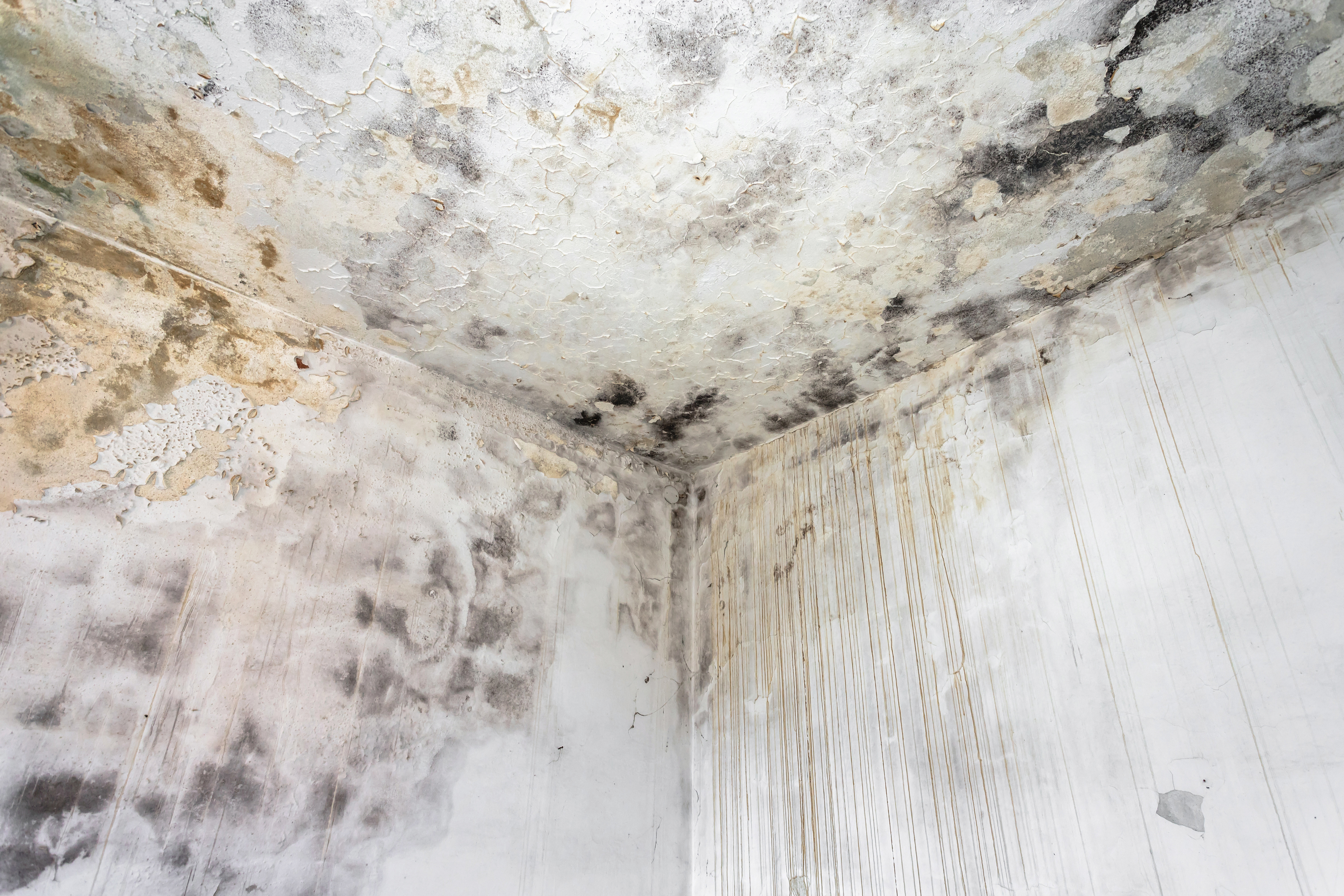
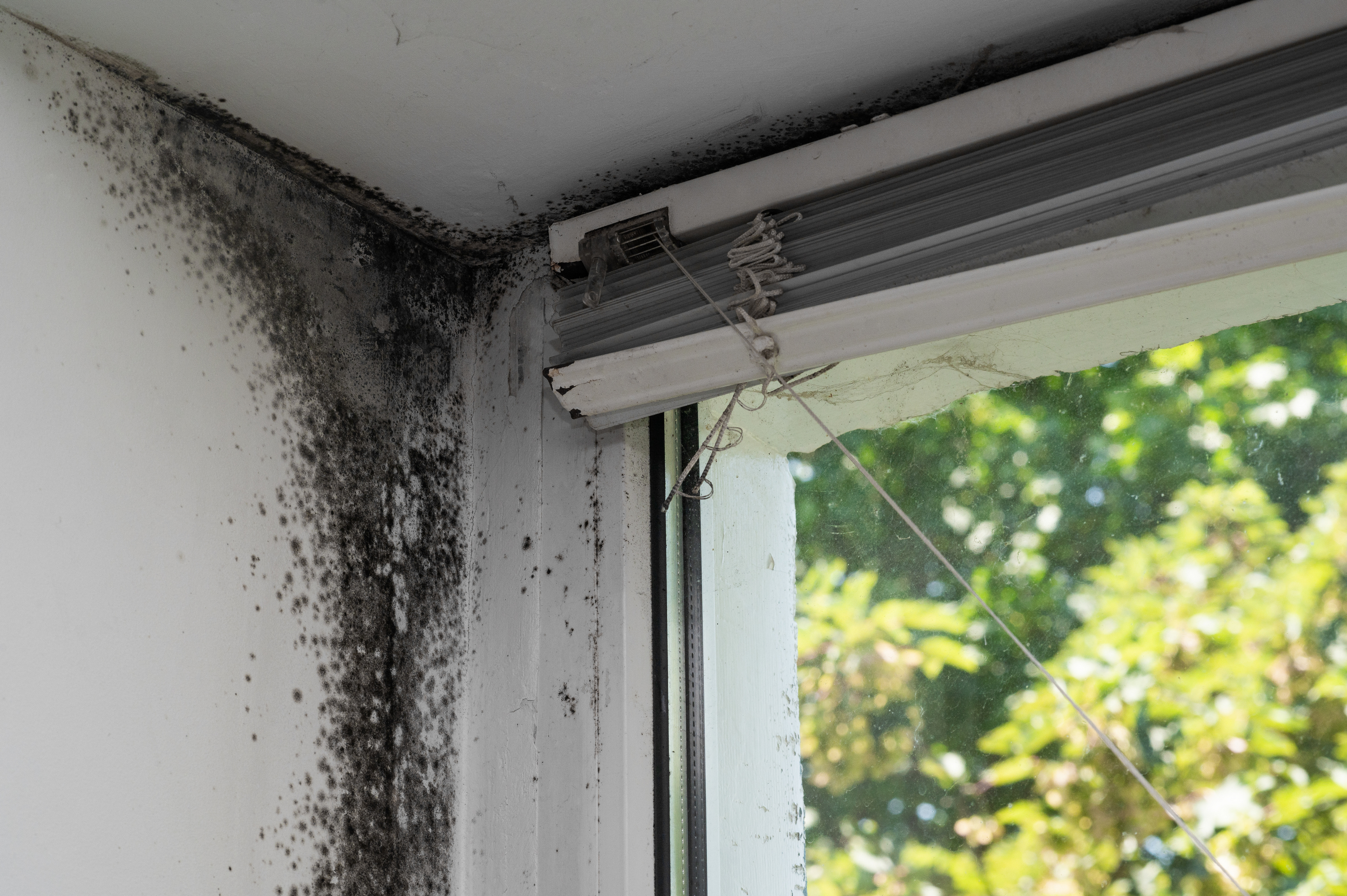
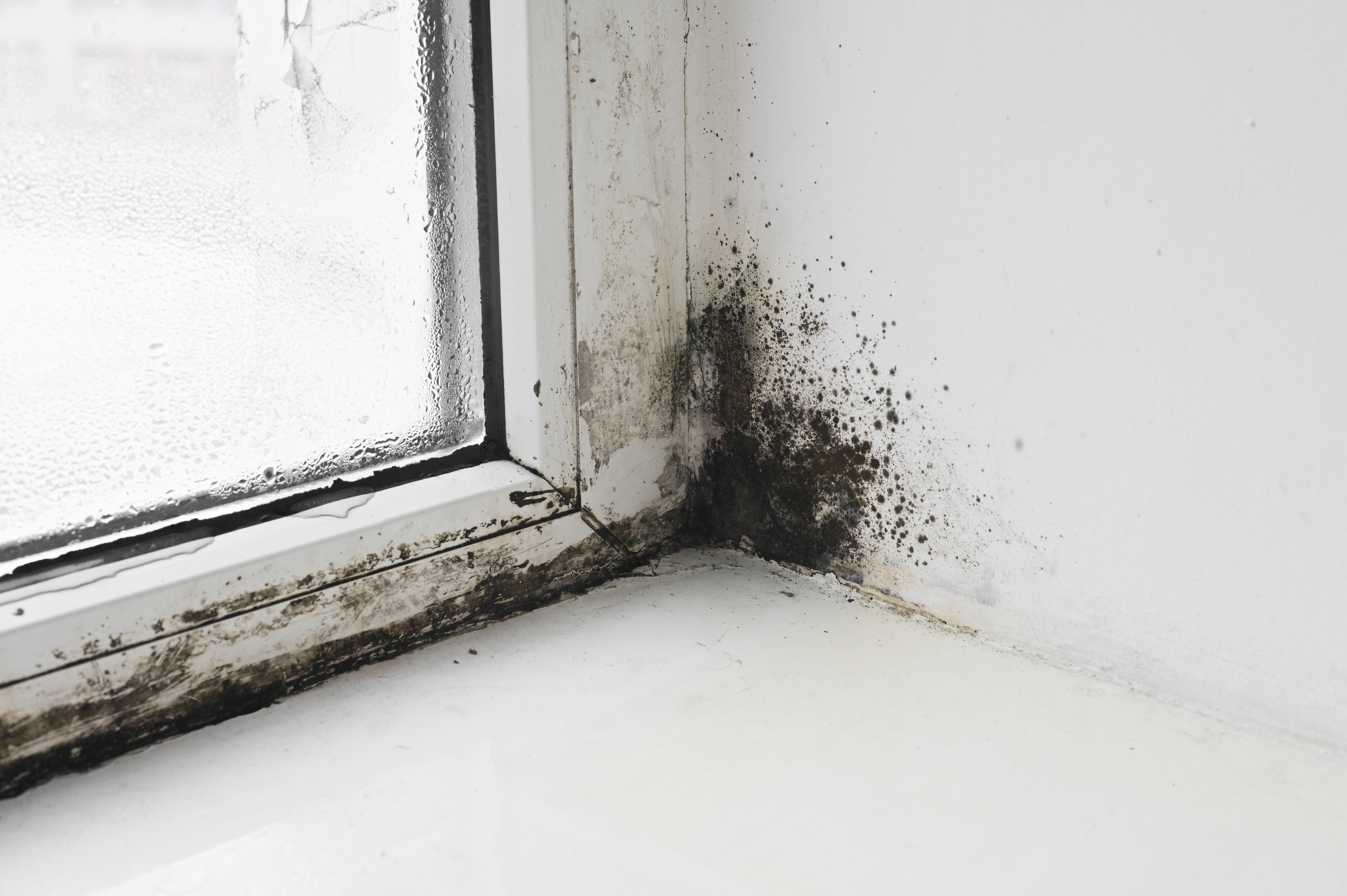
As we get further into December, the signs of condensation at home are clearer than ever. I’m at the stage now where I’m wiping the kitchen windows every night before bed, only to find them full of mist again in the morning. Small signs of damp don’t feel dramatic on their own, sometimes it’s just a waft of it in the air. Other times it hits you in the face the second you walk in the room, then you pull out the wardrobe and you wonder how that damp patch ever got so big.
I suppose the good news is that none of this is unusual. As soon as winter comes and we all start shutting our windows, drying our clothes indoors and the central heating in full effect the house inevitably becomes full of moisture. Bedrooms, bathrooms, kitchens and even garages all start absorbing it as soon as the temperature drops.
The condensation is the part you can see, the rest sets into plaster, window frames and wardrobes and you start to wonder if major building work needs to be carried out. Luckily, the first step to controlling damp and mould is nearly always controlling the internal humidity.
Here at Climate Dry we have been advising customers on moisture control for over a decade. We understand this isn’t just “winter”, this is your home telling you its Relative Humidity (RH) levels are high, leading to excessive dew point condensation.
Why Damp Builds up: The Science of Moisture
Every day living, it all pumps water vapour into the air. From drying our clothes indoors to cooking our evening meals, it’s inevitable around this time of year. Cold surfaces trap it, and in a drafty room or one that never really warms up, it becomes the perfect breeding conditions for mould. We hear about it a lot in places like:
- Basements: Cold basements where the air barely moves, condensation is almost constant
- Garages: Often stay cold all year round, with cars and bicycles holding moisture being stored inside, or from the ground itself.
- Lofts: Spaces with uneven insulation or poor ventilation, allowing moist air to penetrate the roof timbers.
If Relative Humidity (RH) is above 70% indoors for extended periods of time, this creates the prime conditions for mould and spore growth. These are normally the places where you assume building work will be needed, when in reality the first step is controlling the humidity of the room.
Where a Home Dehumidifier Works Best
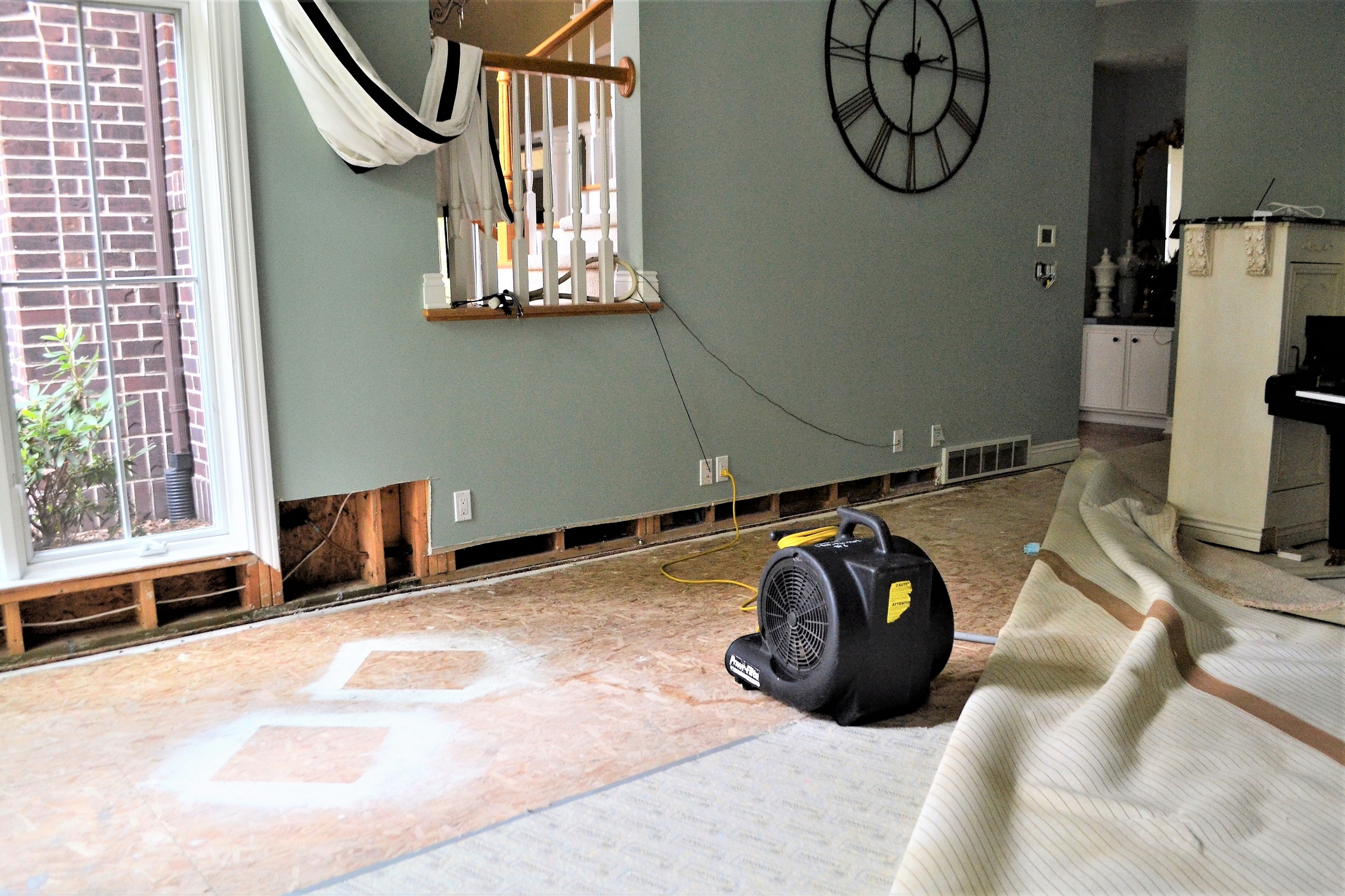
Most people only seek out a dehumidifier when there’s already a visible mould or damp problem. Often, it is much wiser and effective to use one before things get that far. A good dehumidifier will pull in humid air, remove moisture and gently warm the air as it circulates, this actually helps your heating do a far better job at heating your home by drying the air.
Drying clothes indoors is a big problem. We’ve had customers switch from tumble dryers to efficient dehumidifiers set to laundry mode, as modern models can be surprisingly energy-efficient and also do not pump moisture back into the room.
For looking after your health and your home, the humidity sweet spot is around 40% - 60% RH. The threat of mould is greatly reduced once you land in that range, and the house will feel much more pleasant too.
Which Dehumidifier Is Right for Your Space
In winter, we hear this question a lot. The best dehumidifier for your home depends on the size of the space and how bad the problem is. Using our Drying Calculator is a good place to start if you’re unsure and below are three choices that cover everyday uses and sizes.
Igenix IG9821
This everyday option is a good choice if you are dealing with mild condensation, damp patches on walls, or musty smells. It’s light, compact and quiet enough that you barely notice it running.
This refrigerant unit effectively removes up to 20 litres of moisture per day, has multiple drying modes for sleep and laundry, and a 24-hour timer and auto restart.
Igenix IG9851
For bigger spaces or persistent damp the IG9851 is a heavy-duty refrigerant model. Noticeably more powerful than the IG9821 at 50 litres of moisture extraction per day, this model is perfect for larger spaces, open-plan rooms, and basements.
With its built-in humidistat and continuous drainage function, you can leave it running without thinking about it. We’ve had a commercial client report this model successfully solved their problem in a large open-plan office after smaller units had failed.
Ecor Pro DH800
Unlike the refrigerant models above, the Ecor Pro DH800 uses desiccant technology, a moisture absorbing material paired with a heating element. If you have a problem with cold, damp air in your garage, then the DH800 is the dehumidifier for you.
We have a customer who bought the Ecor Pro DH800 for his garage. The problem he had was every time he walked into his garage, the windows on his classic car fogged up, within a few days the DH800 had solved the issue.
Stay Ahead of Damp This Winter
As proven experts in home climate control, we advocate proactive humidity management. Damp and mould don’t just appear, so don’t ignore the signs however small they may be, as a well-chosen dehumidifier will deal with the cause, not just the symptoms.
Key categories to check out if you want to explore further:
- Portable Dehumidifiers
- Domestic Dehumidifiers
- Refrigerant Dehumidifiers
- Laundry Dehumidifiers
- Wall Mounted Dehumidifiers
- Industrial Dehumidifiers
- All Dehumidifiers
Find the right dehumidifier and get rid of damp for good. At Climate Dry we stock trusted brands with specialist models to match your environment, all with rapid delivery and technical support based on decades of product knowledge. Have a look through the range and find the right dehumidifier for your space.