

Advice Hub
All our collective industry experts have got together to provide you with all you need to know about drying out and keeping dry those things precious to you. Read our articles or delve into our solutions centre to soak up the knowledge.
Expert Articles
Advice & Article
Awaab’s Law: What Landlords Need to Know Before 2025
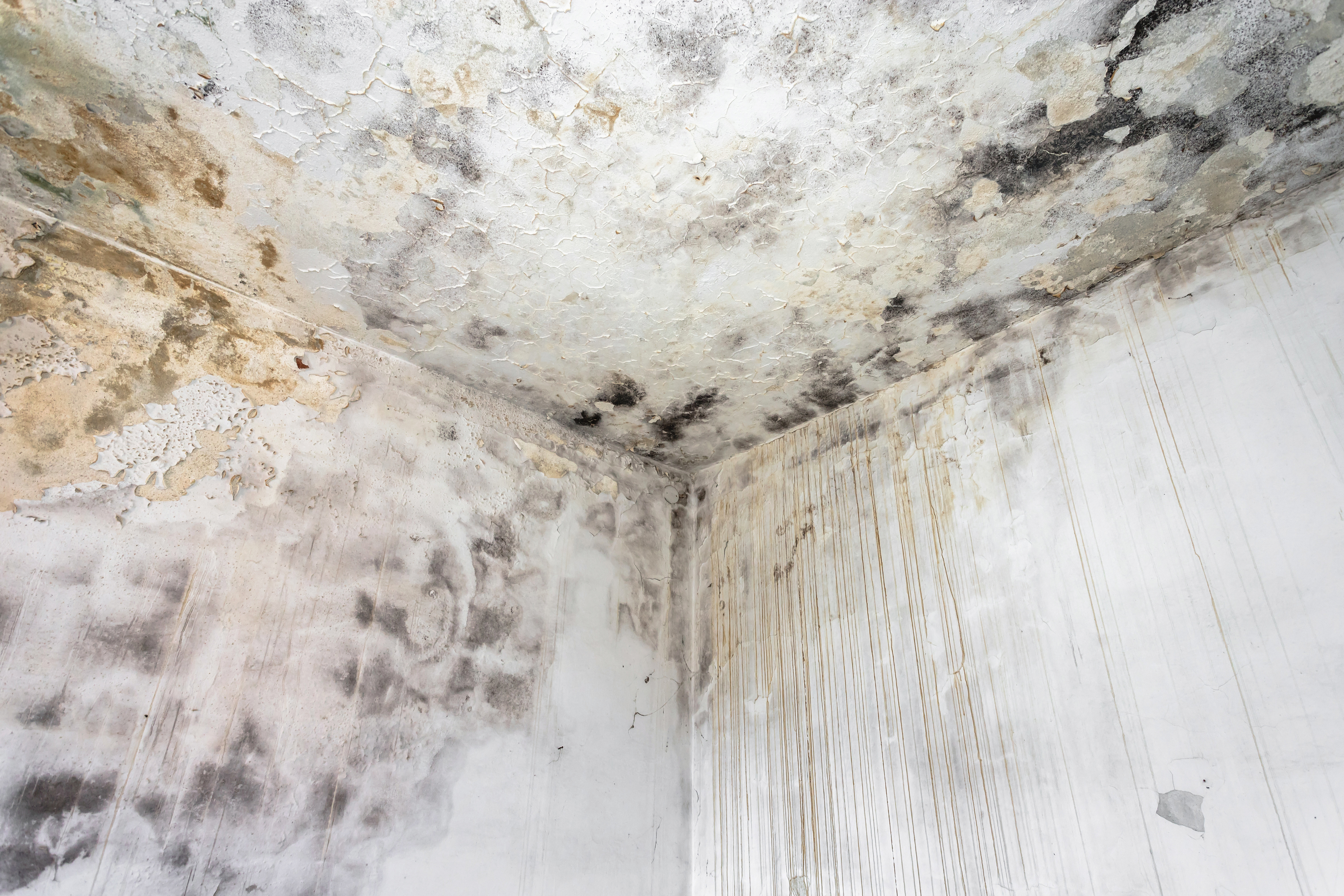
From October 2025, Awaab’s Law will come into force across England — a major step towards improving housing safety and holding landlords accountable. The new rules give tenants stronger protection and make it clear that issues like damp and mould must be dealt with quickly.
The law was introduced after the tragic death of two-year-old Awaab Ishak in 2020, who was exposed to mould in his home. His case drew national attention and exposed serious failings in how housing conditions are managed. For landlords, the message is clear: act fast on damp and mould, or risk serious consequences.
What the New Rules Mean
From 27 October 2025, social landlords will need to follow set timeframes for investigating and fixing damp and mould problems. These are designed to make sure issues aren’t ignored or delayed.
Here’s what’s required:
- Investigate reports of damp or mould within 10 working days.
- Share written findings with tenants within 3 days of that investigation.
- Make the property safe within 5 days if there’s a health risk.
- Finish repairs within 12 weeks to prevent the problem coming back.
- Act within 24 hours if the hazard is an emergency or poses an immediate risk.
If a home can’t be made safe in time, tenants must be moved into suitable accommodation until the repairs are done.
The government has also said that from 2026, these rules will extend to cover other household hazards such as cold, fire, and structural safety.
You can read the official guidance on Awaab’s Law (GOV.UK).
Why It’s Such an Important Change
For years, many tenants have struggled with damp, condensation, and mould, often waiting months for action. Awaab’s Law changes that — it puts legal pressure on landlords and housing providers to respond quickly and protect residents’ health.
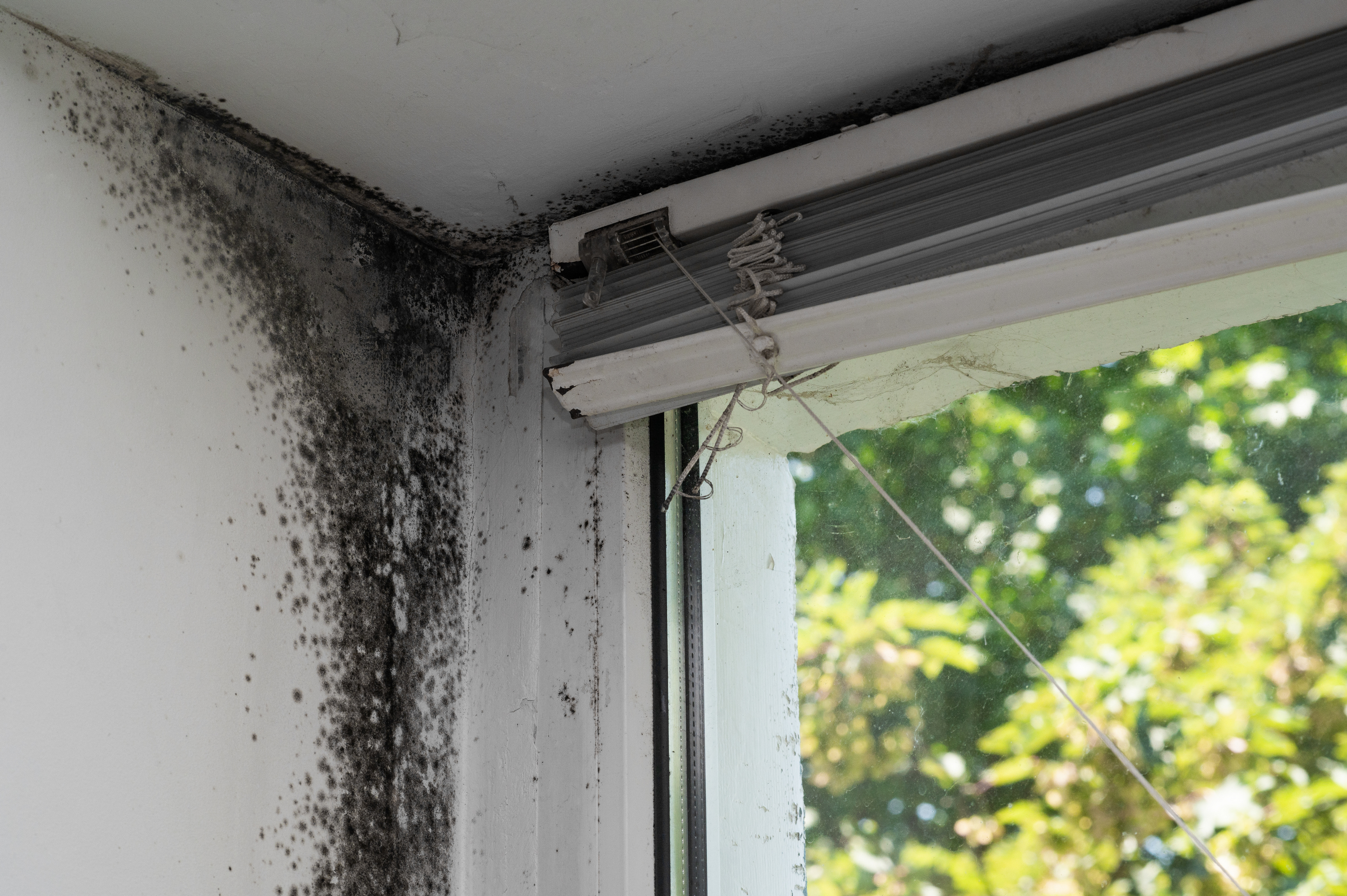
Mould and moisture don’t just look unpleasant. They can trigger asthma, breathing difficulties, and infections, especially in children or anyone with existing respiratory problems. They can also damage plaster, paint, and flooring, leading to costly repairs.
In short, ignoring damp is no longer an option — prevention and fast action are key.
How Landlords Can Prepare
Although Awaab’s Law focuses on social landlords, it’s a wake-up call for anyone responsible for housing. The best approach is to stay ahead of the problem — and that means being proactive, not reactive.
Here are a few practical steps that make a real difference:
- Inspect properties regularly. Catch small leaks, cold patches or condensation early — they only get worse if ignored.
- Keep an eye on humidity. Simple hygrometers or plug-in sensors can warn you before problems develop.
- Ventilate properly. Check extractor fans and vents; even clearing dust or lint can improve airflow.
- Use dehumidifiers. Maintaining humidity between 40–60% helps prevent mould and musty odours.
- Keep heating steady. Rapid temperature changes lead to condensation and damp corners.
These small actions go a long way towards keeping tenants safe, protecting property, and reducing the need for emergency repairs later on.
Equipment That Can Help Landlords Stay Compliant
Keeping on top of Awaab’s Law doesn’t just mean reacting to problems — it’s about having the right tools to manage damp and humidity before they get out of control.
These are perfect for cold or poorly insulated homes where refrigerant models struggle. A compact unit like the Ecor Pro DH1200 runs efficiently in lower temperatures, helping to control condensation and mould in basements, corridors, or empty flats.
For day-to-day use, smaller models are ideal for quick drying or tenant callouts. The Brolin BR20C is lightweight, easy to move between rooms and a great option for occupied homes where damp patches appear.
In larger buildings or more serious cases, professional machines offer the power needed for fast results. The Dri-Eaz BD100 delivers strong drying performance that maintenance teams can rely on after leaks or heavy condensation.
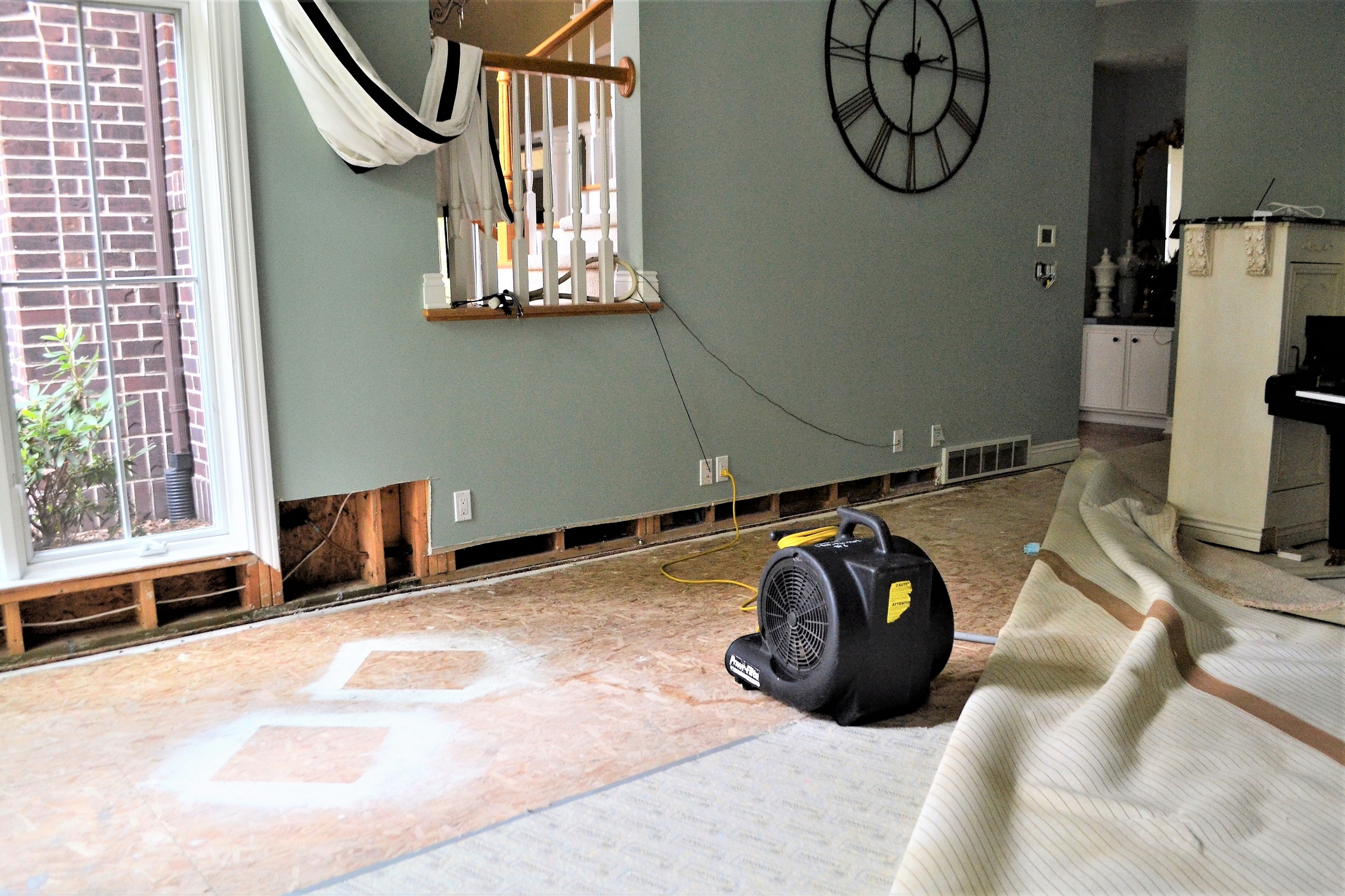
Air circulation is essential for effective drying. Compact fans like the XPOWER PL-700A Compact Air Mover improve airflow across walls and floors, speeding up evaporation and helping to prevent mould from returning after repairs.
Using a combination of these products helps landlords maintain healthy humidity levels, respond faster to reports, and record clear evidence of preventative maintenance — all important for compliance and tenant wellbeing.
Why Acting Early Makes Sense
Damp and mould often develop long before you can see the signs. By the time damage shows, it’s already a much bigger job to fix. Acting early saves time, protects tenants, and reduces overall costs.
For landlords managing multiple properties, reliable drying and ventilation equipment is an investment that pays off — both in reduced maintenance bills and in meeting new legal standards.
Supporting Landlords Through Change
Awaab’s Law is a clear call for higher housing standards and faster responses when problems arise. At Climate Dry, we work with landlords, housing associations and maintenance teams across the UK to provide dependable, easy-to-use equipment for moisture control, ventilation and property drying.
Explore our full range of dehumidifiers and air movers & ventilation fans to help you stay compliant — and keep homes safe, healthy and dry all year round.