

Advice Hub
All our collective industry experts have got together to provide you with all you need to know about drying out and keeping dry those things precious to you. Read our articles or delve into our solutions centre to soak up the knowledge.
Expert Articles
Advice & Article
Heating Costs Explained: The Truth About Energy-Efficient Heaters in 2025
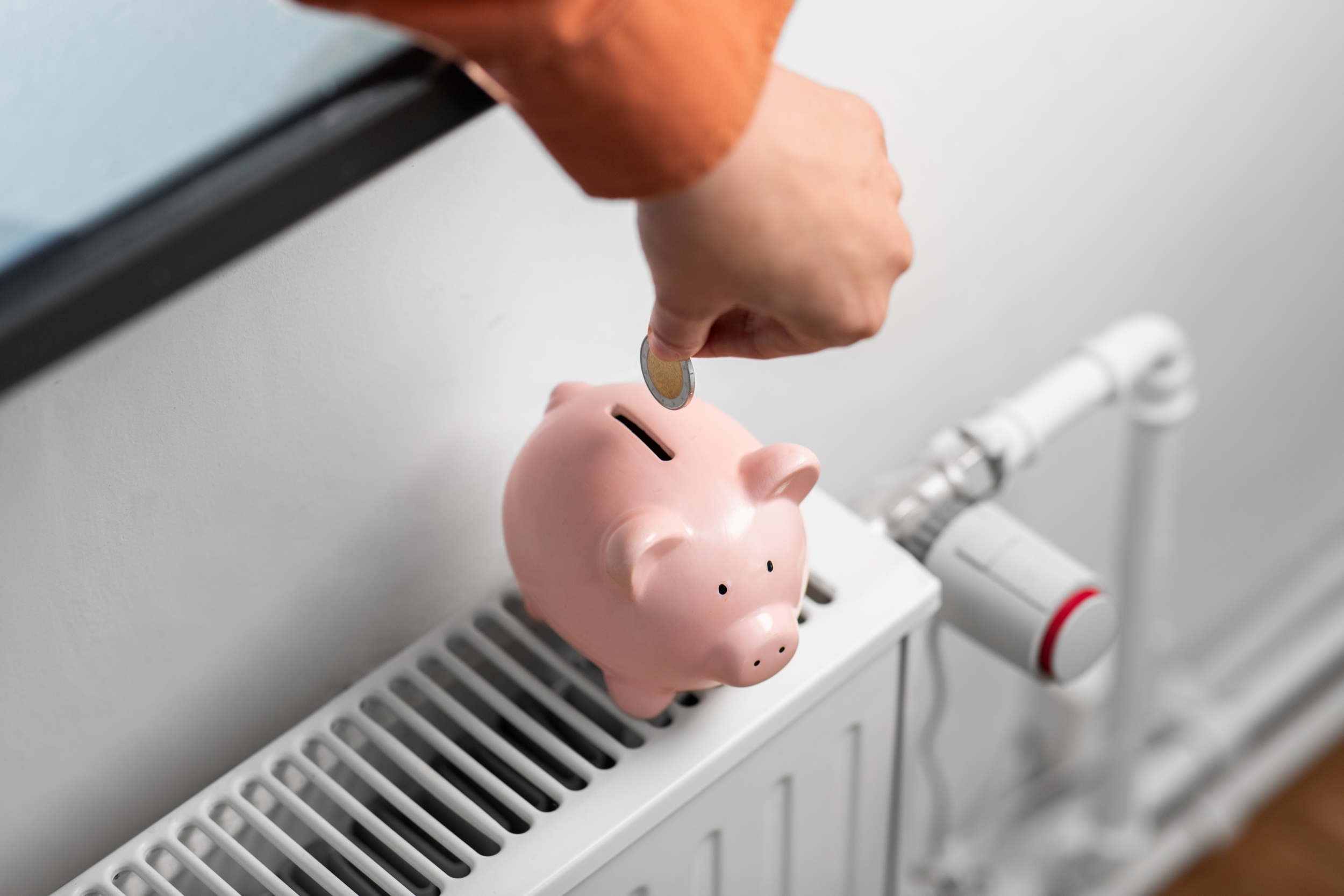
With energy prices still under scrutiny and sustainability increasingly demanded, heating cost is no longer just a household expense — it’s a strategic decision. According to recent data, choosing the right type of heater can reduce running costs significantly while improving comfort and limiting waste. In this guide we’ll explain how to decode heating efficiency, compare typical heater types, and show which systems deliver the best cost-to-performance ratio in 2025.
How Energy Efficiency Affects Heating Costs
When it comes to heating, efficiency isn’t just about wattage — it’s about how effectively energy is converted into usable warmth. Two heaters might share the same power rating, but their design, airflow, and heat distribution can result in very different running costs.
Electric heaters are close to 100 % efficient at point of use because nearly all the electricity consumed is turned into heat. However, the type of electric heater determines how that energy is delivered. For example, fan heaters generate quick bursts of warmth but can use more energy over long periods, while infrared and panel heaters provide steadier, more targeted heat that reduces waste.
Running costs also depend on insulation, room size, and electricity tariffs. As a rule of thumb, you can estimate consumption using:
kW rating × hours used × electricity cost per kWh = running cost
For instance, a 2 kW heater used for three hours at 30 p/kWh costs around £1.80 per session. Improving efficiency is about getting more comfort from every penny of that figure.
Electric vs Fuel Heaters: Cost Breakdown
Fuel-burning heaters — such as diesel or paraffin units — can still be economical for large or well-ventilated industrial areas, but they introduce combustion gases, moisture, and maintenance needs. Electricity has become the cleaner, more controllable choice for most domestic and light-commercial applications, particularly with renewable-ready supply networks.
- Direct-fired oil heaters (e.g. large Arcotherm units) offer sheer output at low capital cost but require ventilation and regular servicing.
- Indirect oil or diesel heaters are better for enclosed spaces but lose a little heat through flues.
- Electric heaters require no ventilation and no fuel storage — making them the most predictable, low-maintenance option for ongoing energy management.
As energy pricing becomes more volatile, the appeal of plug-and-play electric systems continues to rise.
The Most Energy-Efficient Heater Types
Not all electric heaters perform the same. The right choice depends on how and where the heat is needed.
1. Fan Heaters – Rapid Warmth, Short Bursts
Compact, portable, and fast to react, fan heaters such as the Elite 2.4 kW 240 V Cylinder Fan Heater are ideal for temporary heating in workshops, garages, or on-site environments. They move air efficiently to raise the temperature quickly, but because the warmth disperses once switched off, they’re most effective for short, targeted heating rather than continuous background warmth.
2. Infrared Heaters – Direct Radiant Heat
Infrared models like the Elite Heat MK3 Portable Infrared Heater deliver radiant warmth straight to people and objects rather than the surrounding air. This targeted output means less energy is wasted, creating a comfortable feel even at lower ambient temperatures. They’re excellent for draughty spaces and can significantly reduce running costs when used strategically.
3. Panel & Radiator Heaters – Controlled, Steady Output
Panel and LST heaters, including the Consort CN1MLSTFS LST Free Standing Heater, maintain a consistent heat level through thermostatic control and intelligent energy management. Their low surface temperature design makes them safe for continuous use in homes, offices, and healthcare environments. Lot 20 compliance ensures each unit meets the latest European standards for energy efficiency, helping to keep long-term running costs predictable and low.
Tips for Reducing Heating Costs
Even the most efficient heater can waste energy if it’s used carelessly. A few smart adjustments can make a noticeable difference:
- Zone your heating: Warm occupied areas only, not unused corners.
- Use thermostats and timers: Prevent over-heating and idle use.
- Seal drafts and insulate: Efficiency starts with heat retention.
- Keep filters and vents clean: Ensures optimal airflow and output.
- Pair with dehumidifiers: Drier air feels warmer, reducing the need for high settings.
Simple operational habits can cut running costs by 10–20 % without changing hardware.
Choosing the Right Heater for Your Space
Selecting the correct model is about matching output and efficiency to your environment:
- Small rooms or home offices: Look for compact panel or ceramic heaters with digital thermostats.
- Workshops and garages: Fan or infrared heaters deliver quick, focused warmth.
- Commercial or public spaces: LST and Lot 20-compliant units balance safety, reliability, and cost control.
When in doubt, check the heater’s energy rating, coverage area, and control options — and always compare the kW rating with your room size to avoid overspending on unnecessary power.
Turning Heat into Long-Term Savings
The right heating choice can transform energy use from a fixed cost into a controllable variable. By understanding how efficiency, power, and design affect real-world performance, you can make informed decisions that keep bills manageable and spaces comfortable all year round.
For trusted, energy-efficient solutions that deliver lasting value, explore Climate Dry’s heater collection. Every product is backed by rapid UK delivery, expert advice, and our price match promise, ensuring you get the right system at the right price — fast.