

Advice Hub
All our collective industry experts have got together to provide you with all you need to know about drying out and keeping dry those things precious to you. Read our articles or delve into our solutions centre to soak up the knowledge.
Expert Articles
Advice & Article
How to Dry Out a Flooded House
Floods are becoming a more common occurrence in the UK – whether it's heavy rains, burst pipes, faulty plumbing, or fluvial/coastal flooding, more people than ever are experiencing flood and water damage. If you’ve had a flood in your property, you’ll want to take care of it fast.
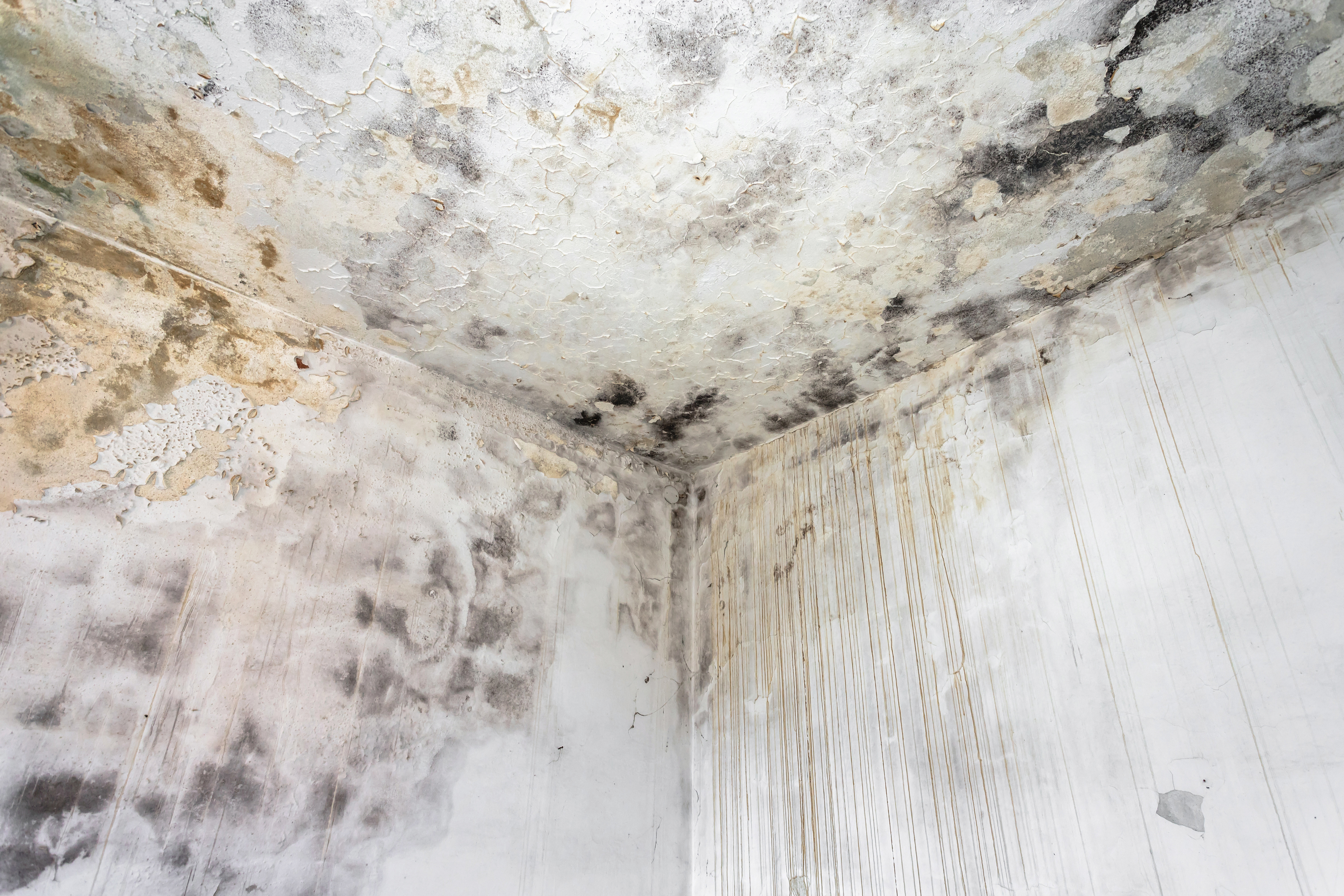
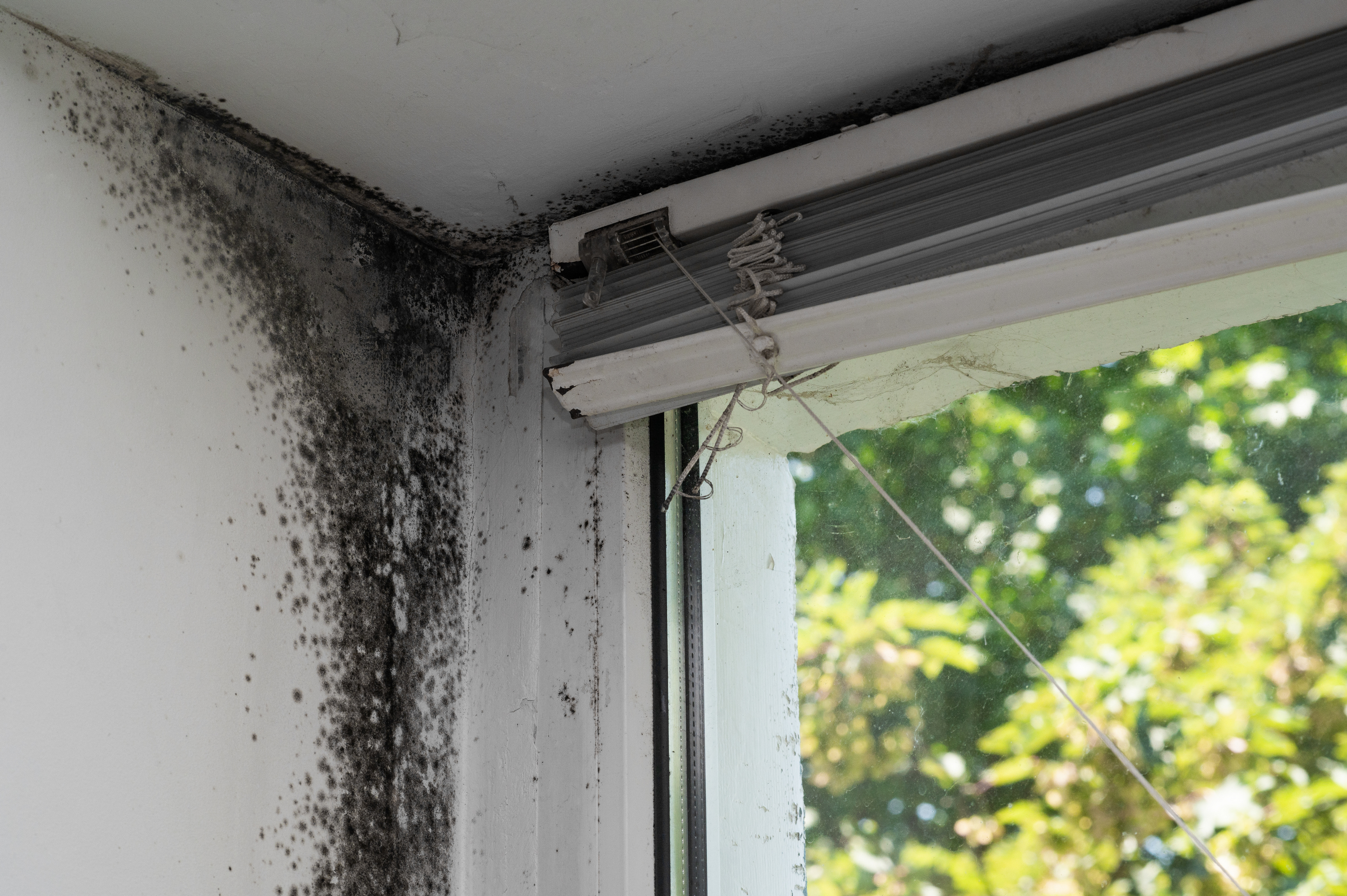
The longer you wait to take action after a flood, the more likely you may have to deal with problematic and expensive damage in the long run. A flood can create problems that affect the integrity of the structure of your home, not to mention encourage mould, which can cause a range of health problems and even on some occasions be dangerous.
For this reason alone, professional help is often essential when dealing with a flood and we recommend that you seek this help as soon as possible. An experienced professional can advise you on important matters such as whether walls or floors have been compromised and how you can make your home safe to return.
What Problems do Floods Cause?
Flooding in a property can cause a lot of different issues including:
- Mould
- Damp
- Rust
- Contaminated water
- Dry rot
- Mud and silt
- Electrical damage
- Structural damage
How Long Does it Take to Dry a Property After Flooding?
Drying out a property takes time. Many homeowners are encouraged to move out of the property until it is safe to do so. Some experts recommend allowing one month for every inch of wall thickness, before moving back in.
Start Swiftly
Mould can begin to start growing within 24-48 hours, so it's important to start the job of drying out your home quickly after the flood. Once mould starts growing it can be difficult to remove.
Remove Excess Water
Ensuring no more water is coming into the home and you’ve removed the water that has entered is essential. After a pump, a wet vacuum can help to suck the remaining bits of water and leftover moisture from carpets
Ventilate
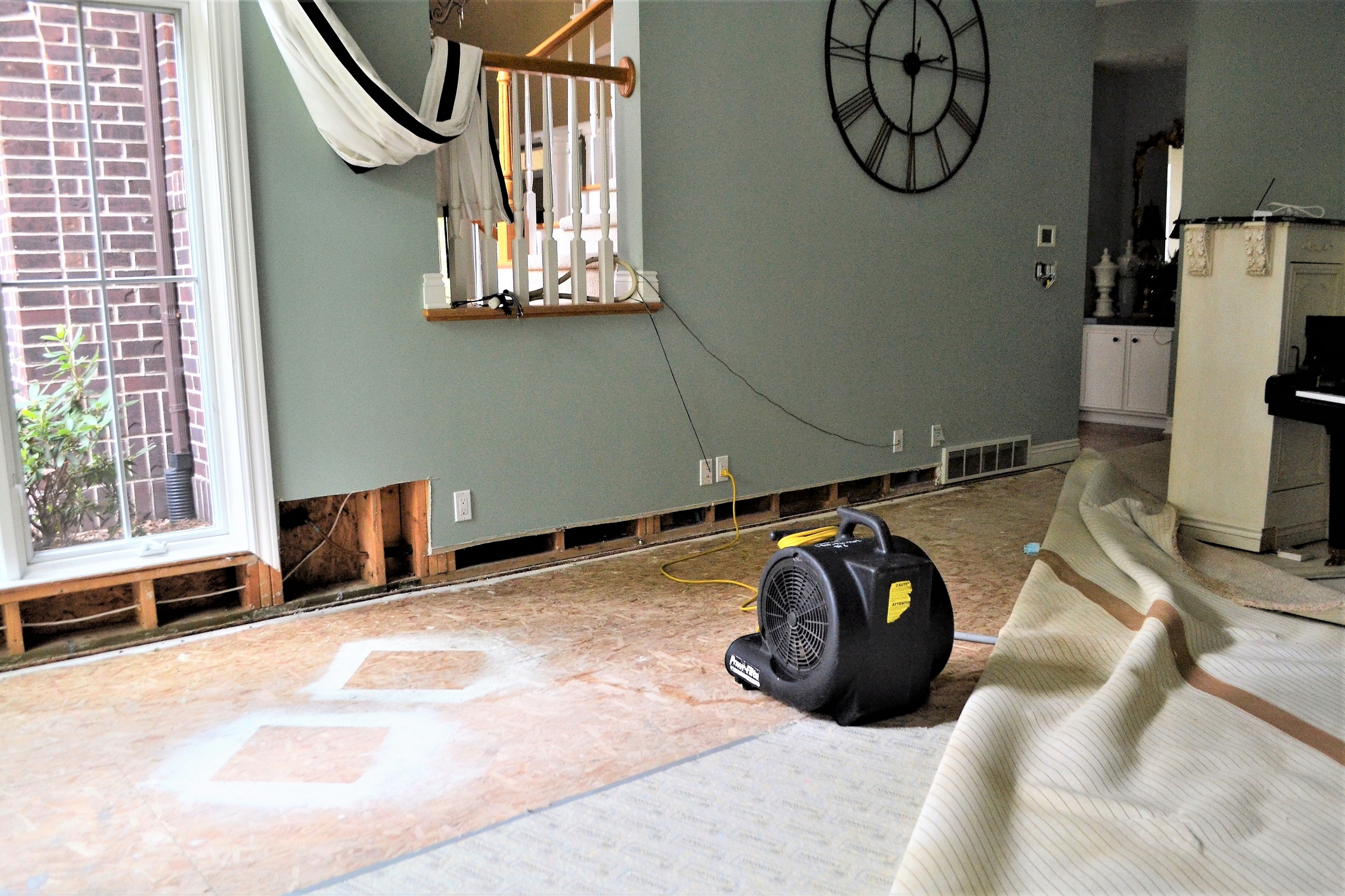
Open your windows to let the humid air out. This can help to reduce any potential warping and cracking in wood and plaster in floors and ceilings. If it’s safe to use electricity, fans can be set up to help circulate air throughout the rooms. Pedestal fans can dry higher areas, circulator and blower fans can move air at floor level. Window fans can bring in and circulate fresh outside air.
Remove Wet Items
Mould can start forming within 24 hours, so the sooner you remove items from the water, and start drying them, the less likely they are to develop mould and need to be replaced. Remove wet or water damaged items including carpets, vinyl, and underlay along with other items. Making sure to keep them for potential inspection by your insurance company. You may have electronics that were damaged in the flood. Be sure to have them checked out by a professional before using them again or plugging them back into a socket. This includes your TVs, game consoles, and computers.
Cleaning and Inspection
Your building will likely need to be cleaned extensively with specialist equipment and inspected for structural damage. They will check for things such as water retention and irreparable damage to foundations and other important structural elements of your home. Air conditioning and portable fans can help to dry the wet areas of your home. Be sure to take photographs of the damage at this point, as this will help the insurance companies adjust your claim.
Use a Dehumidifier
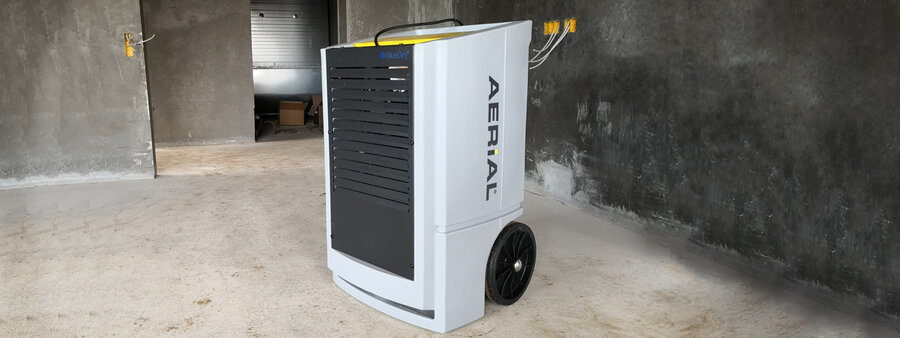
Once you have removed wet items and cleaned the property, the next stage is to get your property dried out as fast as possible. Dehumidifiers can help speed up this process, especially in closed-off spaces such as crawlspaces and basements. Dehumidifiers work by removing excess moisture from the air.
Using a dehumidifier is the easiest and fastest way to dry out your space quickly, however, be aware that dehumidifiers are only supplemental in the case of significant flooding and you will likely require multiple different methods of action.
At Climate Dry, we sell a range of products designed to help deal with flooding. All of our products should be used in conjunction with professional advice and support. Want to learn more? Contact our team today on 0800 808 9126.